
Total Knee Replacement Before and After Results
Living with chronic knee pain can limit even the simplest daily activities. For many individuals considering total knee replacement before and after results, understanding what truly changes after surgery is essential. Patients seeking advanced joint care in Thrissur often want clarity about pain relief, mobility improvement, and long-term outcomes before making a decision.
Total knee replacement is a surgical procedure designed to replace damaged knee joint surfaces with artificial components. It is commonly recommended for individuals with severe osteoarthritis, rheumatoid arthritis, or advanced joint degeneration that no longer responds to medication, injections, or physiotherapy. While the procedure itself is important, what truly matters to most patients is the transformation they experience before and after surgery.
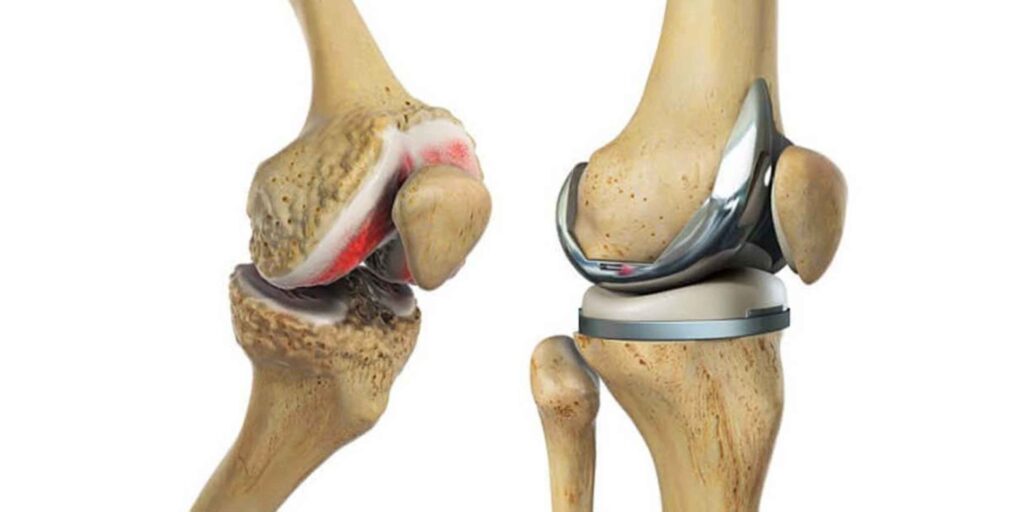
Understanding the “Before” Condition
Before total knee replacement, patients typically experience progressive symptoms that affect both physical and emotional well-being.
1. Chronic Knee Pain
Persistent pain is often the main reason patients consider surgery. The pain may worsen during walking, climbing stairs, standing for long periods, or even resting at night. Many patients report disturbed sleep due to constant discomfort.
2. Stiffness and Reduced Range of Motion
Knee stiffness makes bending and straightening the leg difficult. Activities like sitting cross-legged, squatting, or getting up from a chair become challenging.
3. Swelling and Inflammation
Inflammation around the joint may cause visible swelling. Repeated episodes of swelling can reduce confidence in movement.
4. Joint Deformity
In advanced arthritis, the knee may become bowed or knock-kneed due to uneven cartilage loss. This can change walking patterns and lead to imbalance.
5. Reduced Quality of Life
Limited mobility often results in reduced participation in social activities, exercise, and travel. Over time, reduced independence may affect mental health as well.
Before surgery, most patients try conservative treatments such as medications, physiotherapy, weight management, braces, or injections. When these options no longer provide relief, total knee replacement becomes a viable solution.
What Happens During Total Knee Replacement?
In total knee replacement, the damaged cartilage and a small portion of bone are removed from the femur (thigh bone), tibia (shin bone), and sometimes the underside of the kneecap. These surfaces are replaced with specially designed metal and polyethylene components that replicate natural joint movement.
Modern implants are engineered to provide:
Smooth joint articulation
Improved alignment
Long-term durability
Reduced friction
The procedure usually takes a few hours, and most patients begin gentle movement within a day after surgery.
The Immediate “After” Phase
The first few days after total knee replacement focus on pain control, mobility training, and preventing complications.
Pain Management
Postoperative pain is expected but controlled with medications and regional anesthesia techniques. Pain levels gradually reduce as healing progresses.
Early Mobilization
Patients are encouraged to stand and walk with assistance within 24–48 hours. Early movement helps prevent stiffness and improves circulation.
Physiotherapy
Structured physiotherapy begins soon after surgery. Exercises focus on:
Restoring knee bending
Strengthening surrounding muscles
Improving balance
Enhancing walking pattern
This early phase is crucial for long-term success.
Total Knee Replacement Before and After Results: Pain Relief
One of the most significant improvements patients notice is pain reduction.
Before Surgery:
Daily discomfort
Pain during rest and sleep
Frequent need for painkillers
Limited walking distance
After Surgery:
Substantial reduction in arthritis pain
Improved comfort during movement
Reduced dependency on medications
Better sleep quality
Most patients report that arthritic pain disappears almost completely once healing is complete. Mild surgical discomfort may remain temporarily but improves over weeks.
Mobility and Range of Motion Improvement
Mobility improvement is another major aspect of before and after results.
Before Surgery:
Difficulty bending knee
Trouble climbing stairs
Fear of falling
Dependence on walking aids
After Surgery:
Smoother walking pattern
Improved knee bending
Increased walking endurance
Greater confidence in daily activities
With consistent physiotherapy, many patients achieve functional knee bending that allows comfortable sitting, standing, and stair use.
Strength and Stability Changes
Arthritic knees often cause muscle weakness due to reduced usage.
Before:
Weak quadriceps muscles
Instability while walking
Risk of imbalance
After:
Gradual muscle strengthening
Better joint stability
Improved coordination
Muscle recovery depends heavily on rehabilitation commitment. Regular exercises significantly influence long-term outcomes.
Posture and Alignment Correction
In advanced arthritis, deformities like bow legs or knock knees may develop.
Before:
Visible misalignment
Uneven weight distribution
Strain on other joints
After:
Improved alignment
Balanced weight distribution
Reduced stress on hips and ankles
Correcting alignment improves overall body mechanics and may prevent further joint issues.
Daily Activity Transformation
Perhaps the most rewarding aspect of total knee replacement before and after results is the return to normal life.
Patients often regain the ability to:
Walk longer distances
Climb stairs comfortably
Perform household tasks
Travel without discomfort
Participate in light recreational activities
While high-impact sports may not be recommended, low-impact activities such as walking, cycling, and swimming are usually encouraged.
Emotional and Psychological Benefits
Chronic pain affects mental health. Anxiety, frustration, and social withdrawal are common in individuals with severe arthritis.
After successful surgery:
Confidence increases
Independence improves
Social engagement returns
Overall quality of life enhances
Pain relief alone can dramatically improve mood and motivation.
Timeline of Recovery
Understanding realistic recovery timelines is important.
First 2 Weeks
Wound healing
Gradual increase in walking
Continued physiotherapy
4–6 Weeks
Noticeable improvement in mobility
Reduced swelling
Increased independence
3 Months
Significant functional improvement
Stronger muscles
Minimal discomfort
6 Months to 1 Year
Full recovery for most patients
Maximum strength and flexibility achieved
Recovery varies depending on age, overall health, and adherence to rehabilitation.
Longevity of Results
Modern knee implants are designed to last many years. With proper care:
Implants may last 15–20 years or more
Maintaining healthy body weight reduces stress
Regular follow-ups help monitor joint health
Patients who follow postoperative advice tend to experience durable and satisfying outcomes.
Factors Influencing Before and After Results
Several factors influence final outcomes:
Severity of arthritis before surgery
Patient age and overall health
Commitment to physiotherapy
Weight management
Surgical technique and implant selection
Patients who actively participate in rehabilitation typically achieve superior results.
Comparing Conservative Treatment vs. Surgical Results
When non-surgical treatments fail to provide relief, continuing conservative management may prolong discomfort.
Before surgery:
Temporary relief from injections
Ongoing degeneration
Increasing limitations
After surgery:
Structural correction
Long-term pain relief
Restored function
This comparison often clarifies the decision-making process.
Common Questions About Before and After Results
Will I walk normally again?
Most patients regain a natural walking pattern within a few months.
Will I feel the artificial joint?
Initially, awareness of the implant is common, but over time it feels natural during movement.
When can I drive?
Many individuals resume driving within 4–6 weeks, depending on recovery progress.
Is full bending possible?
Functional bending sufficient for daily activities is typically achievable.
Long-Term Lifestyle After Surgery
To protect your new knee:
Maintain healthy body weight
Stay physically active
Avoid high-impact sports
Continue strengthening exercises
Regular check-ups ensure continued joint health.
Conclusion
Total knee replacement before and after results demonstrate a remarkable transformation for individuals suffering from advanced knee arthritis. The journey begins with chronic pain, stiffness, and limited mobility but often leads to restored function, reduced discomfort, and improved quality of life.
For individuals exploring advanced joint care solutions in Thrissur, understanding these before and after changes provides clarity and confidence in making informed decisions. With proper rehabilitation, realistic expectations, and consistent follow-up, total knee replacement can offer long-lasting relief and renewed independence.
Table Of Content
Introduction
The Introduction gives a brief overview of total knee replacement and why it is done.
Candidates
The Candidates section explains who may need total knee replacement and when it is recommended.
Consultation
The Consultation section describes what happens during a knee replacement consultation and evaluation.
Questions to Ask
The Questions to Ask section covers important doubts patients should clarify before surgery.
Risks and Safety
The Risks and Safety section explains possible complications of total knee replacement and how modern surgical techniques, sterilization, and medical care ensure maximum safety and successful recovery.
Cost
The cost of total knee replacement surgery varies based on implant type, hospital facilities, surgical approach, and postoperative care needs.
Preparation
Preparation includes medical evaluation, medication review, prehabilitation exercises, home planning, and understanding the recovery plan.
Steps
The procedure involves removing damaged joint surfaces, positioning artificial components, restoring alignment, and completing surgical closure with postoperative care. Steps
Recovery
Recovery includes pain management, early mobilization, structured physiotherapy, gradual strength gains, and scheduled follow-up visits.
Results
Most patients experience significant pain relief, improved knee stability, better mobility, and enhanced daily function. Results
Choosing the right surgeon
Choosing the right surgeon involves assessing experience in joint replacement, patient outcomes, communication clarity, and access to comprehensive rehabilitation.
Frequently Asked Questions
1. What are the main benefits seen after total knee replacement?
Most patients experience significant pain relief, improved mobility, better joint alignment, and enhanced quality of life after recovery.
2. How long does it take to see full results after total knee replacement?
Initial improvements are noticeable within 4–6 weeks, but full recovery and maximum strength usually take 6 months to 1 year.
3. Is pain completely gone after total knee replacement?
Arthritis pain is typically eliminated. Some temporary surgical discomfort may occur during early recovery but gradually improves.
4. How much mobility improves after surgery?
Most patients regain smooth walking ability, better knee bending, and improved confidence in daily activities such as climbing stairs.
5. Will I be able to walk without support after surgery?
Yes, many patients walk with assistance within a few days and gradually transition to independent walking as strength improves.
6. Can I return to normal daily activities after total knee replacement?
Yes, most individuals resume routine activities like walking, household tasks, and light exercise after recovery.
7. How long do total knee replacement results last?
Modern implants can last 15–20 years or longer, especially with proper care and weight management.
8. What changes can I expect in the appearance of my legs?
If there was deformity before surgery, alignment is usually corrected, resulting in improved posture and balanced walking.
9. Does physiotherapy affect before and after results?
Yes, consistent physiotherapy plays a major role in improving flexibility, strength, and overall surgical outcomes.
10. Who is a good candidate for total knee replacement?
Individuals with severe knee arthritis, persistent pain, stiffness, and limited mobility that do not improve with conservative treatment are ideal candidates.