
Living with knee pain can slowly reduce your quality of life. Simple activities like walking, standing for long periods, climbing stairs, and even sleeping comfortably can become difficult. When pain does not improve with medicines, physiotherapy, injections, or lifestyle changes, doctors may suggest total knee replacement surgery as a long-term solution. But before deciding on surgery, the first and most important step is attending a total knee replacement consultation with an orthopedic knee specialist.
Many people feel anxious before this consultation because they do not know what will happen at the hospital, what the doctor will ask, what tests will be done, or whether surgery will be immediately confirmed. Understanding the consultation process helps reduce fear and gives confidence to make the right decision. Let’s look in detail at what you can expect during a total knee replacement consultation.
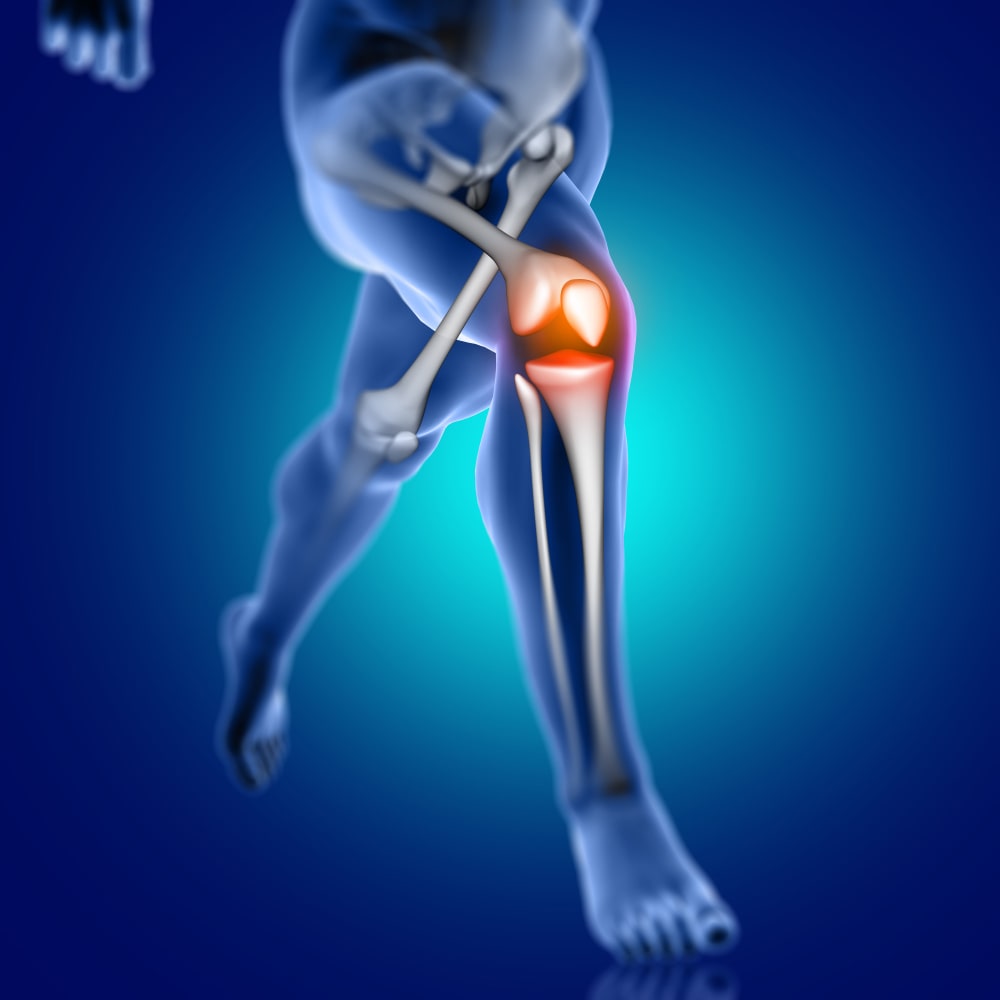
Understanding the Purpose of a Total Knee Replacement Consultation
A knee replacement consultation is not just a quick check-up. It is a detailed medical evaluation designed to understand the real cause of your knee pain and to determine whether surgery is truly required. The consultation helps the doctor assess the condition of your knee, your overall health status, the severity of arthritis, and how much knee pain is affecting your daily life. The ultimate goal is to ensure that if surgery is planned, it is the right treatment for you, done at the right time, and in the safest way possible.
This consultation also helps you understand your condition clearly. Many patients reach the consultation stage after months or years of suffering. This is the time where all doubts are clarified and the confusion finally ends.
Medical History Review – Understanding Your Health Background
Your consultation usually begins with a detailed discussion about your health history. The doctor or medical team takes time to understand your age, lifestyle, occupation, medical conditions, and day-to-day challenges caused by your knee. You will be asked about diabetes, blood pressure, heart problems, lung issues, kidney problems, thyroid conditions, obesity, or any chronic illness. If you have undergone previous surgeries or injuries to the knee, that information is also essential.
Doctors also ask about medications you are currently taking, especially blood thinners, steroids, painkillers, or long-term health medicines. If you have allergies to medicines or anesthesia, this is the time to mention them. This stage ensures your safety because knee replacement is not just about the knee – your whole-body health matters.
Discussion About Symptoms and Daily Difficulties
The next major step in the consultation focuses on your knee problem. The orthopedic specialist asks about:
When did your knee pain start?
Is the pain constant or only during movement?
Does it affect one knee or both?
Does pain increase during walking, climbing stairs, or standing?
Do you experience swelling, stiffness, or knee locking?
Do you hear cracking or grinding sounds while moving the knee?
Does pain disturb sleep?
How much does pain affect your work, movement, and lifestyle?
This helps your doctor judge how severe your knee problem actually is. Some patients say they cannot walk even short distances, while others struggle with bending, sitting, or using the toilet. The consultation helps the doctor understand exactly how much knee pain has impacted your independence.
Evaluation of Previous Treatments and Their Results
Doctors also carefully review what treatments you have already tried. Most patients reach the consultation after:
Taking pain medications
Undergoing physiotherapy
Receiving steroid or PRP injections
Using knee braces
Trying exercise programs
Making lifestyle changes
The doctor will ask whether any of these provided temporary relief or whether the pain continued to worsen. If non-surgical options have failed, total knee replacement becomes a stronger consideration. But if there is still a chance to manage pain with treatment, the doctor may suggest continuing conservative care before deciding on surgery.
Physical Examination – Checking the Knee Joint in Detail
A physical knee examination is a key part of the consultation. The orthopedic specialist carefully examines your knee movement, flexibility, strength, stability, and alignment. They may bend and straighten your knee gently to check how well it moves. The doctor assesses stiffness, swelling, ligament strength, and whether your knee feels unstable or painful on touch.
They also look for deformities such as bow-legs or knock-knees, which are common in advanced arthritis. Sometimes walking assessment is performed to observe how you place weight on the knee. This examination helps the doctor understand how advanced your joint damage is and how badly it is affecting function.
Imaging and Diagnostic Tests – Seeing Inside the Knee
Imaging plays an extremely important role in knee replacement consultation. Most commonly, an X-ray is taken during the visit. This allows the orthopedic specialist to clearly see:
The condition of the knee joint
Amount of cartilage loss
Narrowing of joint space
Bone damage or deformities
Whether bones are rubbing against each other
Alignment of the knee
If additional details are needed, such as ligament or soft-tissue assessment, an MRI may be recommended. These scans give a complete picture of the knee condition, ensuring accurate diagnosis and decision-making. Imaging confirms whether knee replacement is genuinely required or whether other treatments might still work.
Table of Contents
Introduction
The Introduction gives a brief overview of total knee replacement and why it is done.
Candidates
The Candidates section explains who may need total knee replacement and when it is recommended.
Questions
The Questions section covers important doubts patients should clarify before surgery.
Risks and Safety
The Risks and Safety section explains possible complications and how the procedure is kept safe.
Cost
The cost of total knee replacement surgery varies based on implant type, hospital facilities, surgical approach, and postoperative care needs.
Preparation
Preparation includes medical evaluation, medication review, prehabilitation exercises, home planning, and understanding the recovery plan.
Steps
The procedure involves removing damaged joint surfaces, positioning artificial components, restoring alignment, and completing surgical closure with postoperative care. Steps
Recovery
Recovery includes pain management, early mobilization, structured physiotherapy, gradual strength gains, and scheduled follow-up visits.
Results
Most patients experience significant pain relief, improved knee stability, better mobility, and enhanced daily function. Results
Before-and-after
Before-and-after results commonly show reduced pain, improved alignment, increased walking ability, and better overall knee movement.
Choosing the right surgeon
Choosing the right surgeon involves assessing experience in joint replacement, patient outcomes, communication clarity, and access to comprehensive rehabilitation.
Frequently Asked Questions
1. What happens during a total knee replacement consultation?
During a total knee replacement consultation, the doctor reviews your medical history, discusses knee pain and symptoms, performs a physical examination, and may suggest imaging tests.
2. Why is consultation important before total knee replacement surgery?
The consultation helps the doctor confirm the cause of knee pain, assess arthritis severity, evaluate fitness for surgery, and decide whether knee replacement is the best option.
3. Will I need X-rays during the consultation?
Yes, X-rays are usually taken to understand joint damage, bone alignment, cartilage loss, and arthritis severity. MRI may be suggested in specific cases.
4. Does the doctor physically examine the knee during consultation?
Yes, the doctor checks knee movement, swelling, stiffness, stability, and alignment to understand how well your knee functions.
5. Will I know immediately if I need knee replacement surgery?
In most cases, yes. After examining your knee and reviewing scans, the doctor explains whether surgery is required or if non-surgical treatments may still help.
6. Will the doctor explain how the surgery works?
Yes, if surgery is needed, the doctor explains how total knee replacement is done, anesthesia type, hospital stay, walking timeline, and recovery expectations.
7. Will risks and safety of knee replacement be discussed?
Yes, the doctor explains possible risks such as infection, blood clots, and anesthesia reactions, along with ways to reduce these risks.
8. Will recovery and physiotherapy be discussed during consultation?
Yes, the doctor explains when you will start walking, the importance of physiotherapy, expected recovery period, and when you can return to normal activities.
9. Can I ask questions during the knee replacement consultation?
Absolutely. The consultation is the best time to ask about pain, implants, lifespan, lifestyle changes, cost, travel, work, and exercise after surgery.
10. Will other health conditions be checked before deciding surgery?
Yes, health conditions like diabetes, blood pressure, heart problems, obesity, and lung issues are evaluated to ensure you are medically fit for surgery.