
What Should I Expect During Total Knee Replacement Recovery?
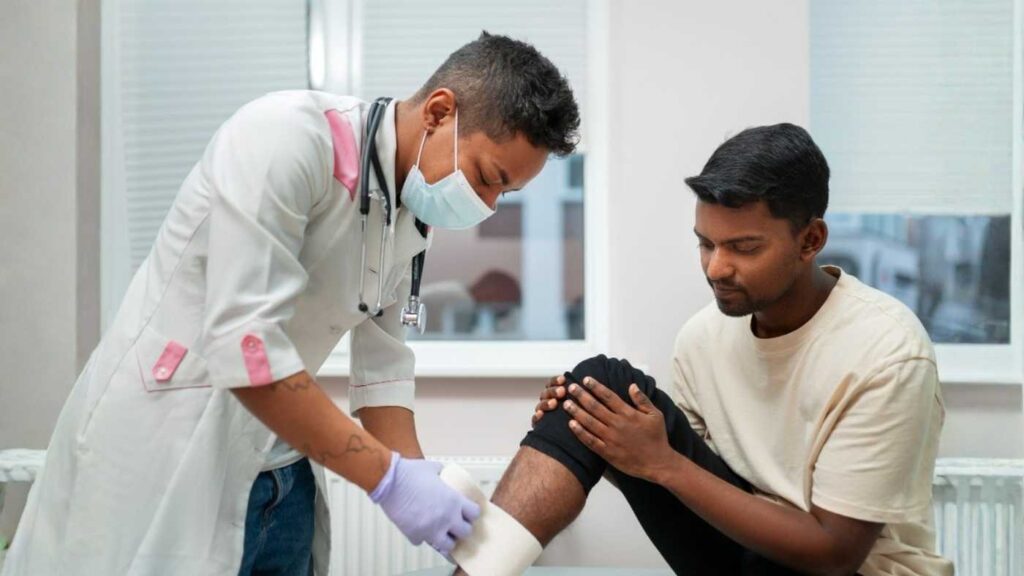
For individuals undergoing total knee replacement surgery in Thrissur, understanding the recovery process helps set realistic expectations and supports better rehabilitation outcomes. Recovery is a gradual process that involves physical healing, strength rebuilding, and adaptation to the new knee joint. Each stage of recovery plays an important role in restoring mobility and improving overall quality of life.
1. Immediate Post-Surgery Recovery Phase
The first stage of recovery begins immediately after surgery. Patients are monitored closely in the recovery area to ensure stable vital signs and effective pain control. Medical staff assess circulation, sensation, and movement in the operated leg.
During this period, pain management strategies are started to keep discomfort under control. Swelling and stiffness are common in the initial days and are managed through medications, limb elevation, and cold therapy as recommended.
2. Hospital Stay and Early Monitoring
Most patients remain in the hospital for a short period after total knee replacement surgery. During this time, healthcare professionals monitor wound healing, manage pain, and ensure that early recovery milestones are achieved.
Basic activities such as sitting up, standing, and walking with support usually begin during this phase. Nurses and physiotherapists provide guidance on safe movement techniques and joint protection strategies.
3. Early Mobility and Physiotherapy Initiation
Physiotherapy typically starts within the first day after surgery. Early movement is important to prevent stiffness, improve circulation, and support faster recovery.
Initial exercises focus on gentle knee bending and straightening, muscle activation, and basic walking with support devices such as walkers or crutches. These exercises are gradually progressed based on individual tolerance and recovery speed.
4. Pain Management and Swelling Control
Pain and swelling are expected parts of the recovery process. Effective pain management allows patients to participate more comfortably in rehabilitation activities.
Swelling is commonly managed through elevation, cold therapy, compression, and regular movement. As healing progresses, discomfort gradually decreases, and mobility improves.
5. Wound Care and Incision Healing
Proper wound care is essential for preventing infection and supporting tissue healing. The surgical incision is regularly checked for signs of redness, swelling, or discharge.
Patients are given instructions on keeping the wound clean and dry, changing dressings if required, and recognizing early warning signs that may need medical attention. Incision healing usually progresses steadily over the first few weeks.
6. Regaining Knee Movement and Flexibility
Restoring knee range of motion is a major focus during recovery. Physiotherapy exercises are designed to improve bending and straightening of the knee joint.
Consistent exercise practice helps prevent stiffness and promotes smoother joint movement. Gradual improvement in flexibility allows patients to perform daily activities more comfortably.
7. Strengthening Muscles Around the Knee
Strengthening the muscles surrounding the knee, especially the quadriceps and hamstrings, is an important part of rehabilitation. Strong muscles provide better joint support and improve balance and walking ability.
Exercise programs are gradually progressed to include resistance training, functional movements, and balance exercises. Muscle strength improvement contributes to long-term joint stability and function.
8. Returning to Daily Activities
As recovery progresses, patients gradually return to daily activities such as walking, climbing stairs, and performing household tasks. These activities are reintroduced in a controlled and progressive manner.
Low-impact activities are encouraged during recovery, while high-impact movements are usually avoided. Activity levels increase steadily as strength, confidence, and endurance improve.
9. Managing Fatigue and Energy Levels
It is common to experience fatigue during the recovery period. The body uses energy for healing and adaptation, which may result in reduced stamina.
Adequate rest, balanced nutrition, hydration, and proper sleep support the recovery process. Gradually increasing activity levels helps rebuild endurance over time.
10. Emotional and Mental Adjustment
Recovery after total knee replacement surgery involves not only physical healing but also emotional adjustment. Patients may experience frustration during early recovery due to limited mobility or slow progress.
Maintaining realistic expectations and focusing on gradual improvement helps manage emotional challenges. Support from family, caregivers, and rehabilitation professionals plays an important role in maintaining motivation.
11. Outpatient Rehabilitation and Continued Physiotherapy
After discharge from the hospital, rehabilitation continues through outpatient physiotherapy or home-based exercise programs. Regular physiotherapy sessions help improve joint function, movement coordination, and strength.
Long-term adherence to exercise programs supports lasting improvements and helps maintain joint performance over time.
12. Follow-Up Appointments and Progress Monitoring
Follow-up visits are scheduled to assess healing progress, joint movement, and overall recovery. During these appointments, healthcare providers evaluate wound healing, functional improvements, and any ongoing symptoms.
Imaging or physical assessments may be performed to ensure proper implant positioning and recovery progression. Follow-up care ensures early detection and management of any concerns.
13. Long-Term Recovery and Functional Improvement
Long-term recovery continues for several months after surgery. During this period, patients experience ongoing improvements in strength, flexibility, and daily function.
Most individuals notice significant pain relief and improved mobility compared to their pre-surgery condition. Continued participation in physical activity and healthy lifestyle habits supports long-term joint health.
14. Activity Modifications and Lifestyle Adaptation
After recovery, certain lifestyle modifications may be recommended to protect the new knee joint. Low-impact activities such as walking, swimming, and cycling are generally encouraged.
Avoiding excessive strain and maintaining proper body mechanics during daily activities helps preserve implant function and reduce long-term wear.
15. Building Confidence in Knee Function
As recovery progresses, patients gradually build confidence in using their new knee joint. Improved balance, stability, and mobility allow individuals to return to many normal activities with greater ease.
Confidence develops through consistent rehabilitation, positive progress, and gradual return to functional tasks. Over time, the new knee becomes an integrated part of everyday movement.
For individuals undergoing total knee replacement surgery in Thrissur, understanding what to expect during recovery supports better preparation and realistic goal setting. Recovery is a step-by-step journey that requires patience, commitment, and active participation in rehabilitation. With proper care, physiotherapy, and lifestyle adjustments, most patients experience meaningful improvements in comfort, mobility, and overall quality of life following total knee replacement surgery.
Table Of Content
Introduction
The Introduction gives a brief overview of total knee replacement and why it is done.
Candidates
The Candidates section explains who may need total knee replacement and when it is recommended.
Consultation
The Consultation section describes what happens during a knee replacement consultation and evaluation.
Questions to Ask
The Questions to Ask section covers important doubts patients should clarify before surgery.
Risks and Safety
The Risks and Safety section explains possible complications and how the procedure is kept safe.
Cost
The cost of total knee replacement surgery varies based on implant type, hospital facilities, surgical approach, and postoperative care needs.
Preparation
Preparation includes medical evaluation, medication review, prehabilitation exercises, home planning, and understanding the recovery plan.
Steps
The procedure involves removing damaged joint surfaces, positioning artificial components, restoring alignment, and completing surgical closure with postoperative care. Steps
Results
Most patients experience significant pain relief, improved knee stability, better mobility, and enhanced daily function. Results
Before-and-after
Before-and-after results commonly show reduced pain, improved alignment, increased walking ability, and better overall knee movement.
Choosing the right surgeon
Choosing the right surgeon involves assessing experience in joint replacement, patient outcomes, communication clarity, and access to comprehensive rehabilitation.
Frequently Asked Questions
1. How soon does recovery begin after total knee replacement surgery?
Recovery begins immediately after surgery with close monitoring, pain management, and early movement initiation.
2. How long does hospital stay usually last after total knee replacement surgery?
Hospital stay duration varies depending on individual recovery progress and overall health condition.
3. When does physiotherapy start during knee replacement recovery?
Physiotherapy usually starts within the first day after surgery to support mobility and joint function.
4. Is pain normal during total knee replacement recovery?
Mild to moderate pain and discomfort are common during early recovery and gradually improve with time.
5. How long does swelling last after total knee replacement surgery?
Swelling can last for several weeks and usually reduces gradually as healing progresses.
6. When can I start walking after total knee replacement surgery?
Most patients begin walking with support shortly after surgery based on medical guidance.
7. How long does it take to regain full knee movement?
Regaining full movement varies among individuals and generally improves over several months with physiotherapy.
8. Can I return to daily activities during recovery?
Daily activities are gradually resumed as strength, balance, and mobility improve during rehabilitation.
9. Are follow-up visits important during recovery?
Yes, follow-up visits help monitor healing, knee function, and overall recovery progress.
10. What helps improve long-term recovery after total knee replacement surgery?
Consistent physiotherapy, healthy lifestyle habits, and regular exercise help support long-term recovery.