
What Results Can I Expect After Total Knee Replacement Surgery?
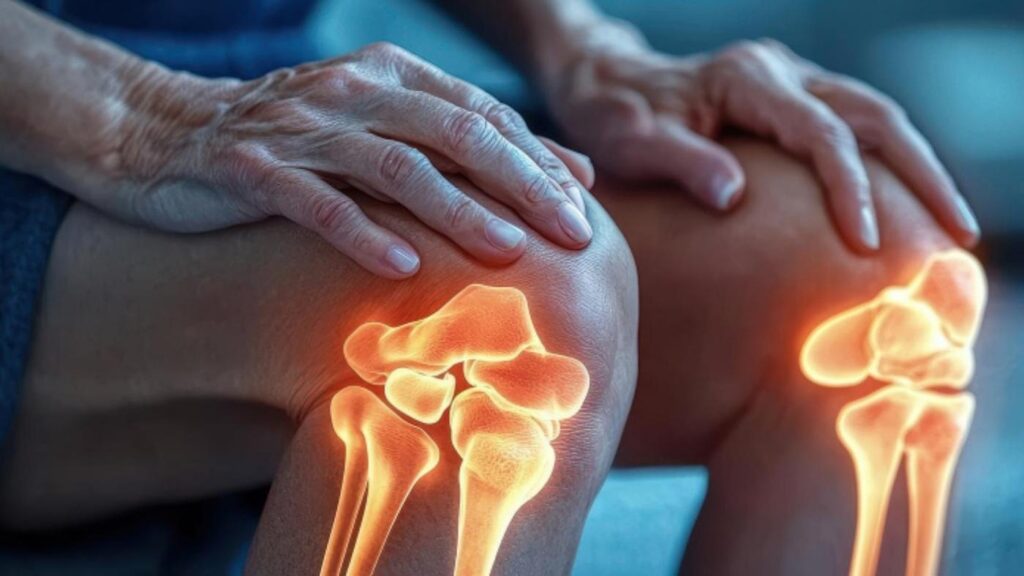
For individuals considering total knee replacement surgery in Thrissur, understanding the expected results after the procedure is an important part of informed decision-making. Total knee replacement is a surgical procedure performed to relieve pain, correct joint deformity, and restore function in knees affected by advanced arthritis or severe joint damage. While outcomes vary from person to person, most individuals experience meaningful improvements in comfort, mobility, and overall quality of life after surgery.
1. Reduction in Knee Pain
One of the primary and most noticeable results after total knee replacement surgery is significant pain relief. Chronic knee pain caused by advanced osteoarthritis, rheumatoid arthritis, or post-traumatic joint damage often limits daily activities and reduces independence. After surgery and the initial recovery period, most patients report a marked reduction in pain during routine movements such as walking, standing, and climbing stairs.
It is important to understand that mild discomfort or stiffness may still be present during the early recovery phase as tissues heal. However, this postoperative pain is different from the long-standing arthritic pain experienced before surgery and generally improves steadily with rehabilitation and time.
2. Improved Joint Function and Mobility
Total knee replacement surgery is designed to restore smoother joint movement by replacing damaged cartilage and bone surfaces with artificial components. As a result, many individuals experience improved knee motion and greater ease in performing everyday activities. Movements that were previously difficult—such as getting out of a chair, walking longer distances, or bending the knee—often become more manageable after recovery.
Range of motion typically improves gradually through structured physiotherapy. While the exact degree of flexibility achieved varies, most patients regain sufficient movement to perform daily tasks comfortably and safely.
3. Better Walking Ability and Stability
Before surgery, knee arthritis often causes instability, limping, or a feeling that the knee may give way. After total knee replacement, improved joint alignment and stability are common results. Many individuals are able to walk with better balance and confidence once the muscles around the knee regain strength.
Walking aids such as walkers or sticks are usually required only temporarily during the early recovery phase. With time and rehabilitation, many patients are able to walk independently and maintain a more natural walking pattern.
4. Enhanced Quality of Life
The combined effects of pain relief, improved mobility, and increased stability often lead to a noticeable improvement in overall quality of life. Activities that were previously avoided due to pain—such as household tasks, social outings, or light recreational activities—may become possible again.
Better sleep quality is another commonly reported benefit, as chronic knee pain often disrupts rest before surgery. Reduced discomfort at night allows for more restorative sleep, contributing to improved physical and emotional well-being.
5. Ability to Perform Daily Activities
After full recovery, most individuals can comfortably perform essential daily activities such as walking on level ground, climbing stairs with support, sitting and standing from chairs, and managing personal care tasks. These functional improvements help restore independence, especially for individuals whose knee pain previously limited self-care or mobility.
It is important to note that high-impact activities such as running or jumping are generally not recommended after total knee replacement, as they may place excessive stress on the artificial joint.
6. Long-Term Durability of the Knee Implant
Modern knee implants are designed to be durable and long-lasting. With appropriate use, proper alignment, and regular follow-up care, many knee replacements function well for 15 to 20 years or longer. Longevity depends on factors such as activity level, body weight, overall health, and adherence to rehabilitation and lifestyle recommendations.
Maintaining a healthy weight, staying active with low-impact exercises, and following medical advice can help extend the life of the knee implant.
7. Gradual Improvement Over Time
Results after total knee replacement surgery do not appear immediately. Recovery is a gradual process that typically unfolds over several months. In the first few weeks, improvements are mainly focused on pain control and basic mobility. Over the next few months, strength, flexibility, and endurance continue to improve with physiotherapy and regular activity.
Many individuals notice ongoing improvements for up to a year after surgery, as the knee adapts and muscles fully recover.
8. Residual Stiffness or Sensations
While most patients achieve excellent results, some may experience mild stiffness, occasional swelling, or altered sensations around the knee, especially during weather changes or after prolonged activity. These sensations are usually manageable and do not interfere significantly with daily life.
Complete restoration of a “natural” knee feeling is not always possible, as the joint contains artificial components. However, the functional benefits often outweigh these minor differences for most individuals.
9. Improved Knee Alignment and Appearance
In cases where arthritis has caused bowing or knock-knee deformities, total knee replacement can correct joint alignment. This often results in a straighter leg and more balanced posture, which may reduce strain on other joints such as the hips and lower back.
Improved alignment also contributes to better walking mechanics and overall comfort during movement.
10. Dependence on Rehabilitation for Optimal Results
The quality of results after total knee replacement surgery is closely linked to participation in rehabilitation. Physiotherapy plays a crucial role in strengthening muscles, improving flexibility, and restoring functional movement. Patients who actively engage in their rehabilitation program generally experience better and more consistent outcomes.
Following exercise instructions, attending follow-up appointments, and gradually increasing activity levels as advised are essential for achieving the best possible results.
11. Emotional and Psychological Benefits
Chronic pain and mobility limitations can affect emotional health, leading to frustration, anxiety, or reduced confidence. As pain decreases and function improves after surgery, many individuals report a positive impact on mood and mental well-being.
Regaining independence and the ability to participate in everyday life often contributes to improved self-confidence and a more active lifestyle.
12. Realistic Expectations and Individual Variation
While total knee replacement surgery has a high success rate, results vary based on individual factors such as age, severity of joint damage, muscle strength, overall health, and commitment to rehabilitation. Setting realistic expectations is important. The goal of surgery is pain relief and functional improvement rather than the ability to perform high-impact or strenuous athletic activities.
Clear understanding of expected outcomes helps individuals approach recovery with confidence and patience.
13. Long-Term Activity Recommendations
After recovery, most individuals are encouraged to stay active with low-impact activities such as walking, cycling, swimming, and gentle strengthening exercises. These activities support joint health, maintain muscle strength, and promote overall well-being without placing excessive stress on the knee implant.
Avoiding high-impact sports and following lifestyle recommendations helps preserve the results of surgery over the long term.
14. Follow-Up Care and Monitoring
Regular follow-up visits allow healthcare providers to monitor knee function, implant position, and overall recovery progress. Early identification of issues such as stiffness or alignment concerns helps ensure timely management and sustained results.
Long-term monitoring supports implant longevity and continued joint health.
15. Overall Outcome Summary
In summary, most individuals experience significant pain relief, improved mobility, and better quality of life after total knee replacement surgery. While recovery requires time, effort, and commitment to rehabilitation, the long-term results are generally positive and durable. For those undergoing total knee replacement surgery in Thrissur, understanding these expected outcomes helps guide preparation, recovery, and long-term joint care, supporting a confident and informed approach to treatment.
Table Of Content
Introduction
The Introduction gives a brief overview of total knee replacement and why it is done.
Candidates
The Candidates section explains who may need total knee replacement and when it is recommended.
Consultation
The Consultation section describes what happens during a knee replacement consultation and evaluation.
Questions to Ask
The Questions to Ask section covers important doubts patients should clarify before surgery.
Risks and Safety
The Risks and Safety section explains possible complications and how the procedure is kept safe.
Cost
The cost of total knee replacement surgery varies based on implant type, hospital facilities, surgical approach, and postoperative care needs.
Preparation
Preparation includes medical evaluation, medication review, prehabilitation exercises, home planning, and understanding the recovery plan.
Steps
The procedure involves removing damaged joint surfaces, positioning artificial components, restoring alignment, and completing surgical closure with postoperative care. Steps
Recovery
Recovery includes pain management, early mobilization, structured physiotherapy, gradual strength gains, and scheduled follow-up visits.
Before-and-after
Before-and-after results commonly show reduced pain, improved alignment, increased walking ability, and better overall knee movement.
Choosing the right surgeon
Choosing the right surgeon involves assessing experience in joint replacement, patient outcomes, communication clarity, and access to comprehensive rehabilitation.
Frequently Asked Questions
1. How long does it take to see results after total knee replacement surgery?
Improvement usually begins within a few weeks, with continued progress over several months and full results often seen within a year.
2. Will knee pain be completely gone after total knee replacement surgery?
Most individuals experience significant pain relief, though mild stiffness or occasional discomfort may persist.
3. How much movement can I expect after total knee replacement surgery?
Most patients regain enough knee movement to perform daily activities comfortably.
4. When can I start walking after total knee replacement surgery?
Walking usually begins within a day or two after surgery with support and improves gradually.
5. Is physiotherapy necessary after total knee replacement surgery?
Yes, physiotherapy is essential to restore strength, flexibility, and proper knee function.
6. How long does a total knee replacement implant last?
With proper care, many knee replacement implants last 15 to 20 years or longer.
7. Can I return to normal daily activities after recovery?
Yes, most people return to routine daily activities, though high-impact activities are usually avoided.
8. Will my knee feel completely natural after surgery?
The knee may feel different from a natural joint, but function and comfort are usually much improved.
9. Are results the same for everyone after total knee replacement surgery?
No, results vary depending on individual health, joint condition, and rehabilitation efforts.
10. How can I maintain good results after total knee replacement surgery?
Regular exercise, physiotherapy, healthy lifestyle habits, and follow-up care help maintain long-term results.